Mini Bunny: A Practical Review for Embroidery Projects
As a designer who spends more time staring at stitch maps than actual fabric, I have learned to be skeptical of cute. Cute often translates to dense, messy, or impractical when the needle hits the cloth. However, Mini Bunny caught my attention not just for its charm, but for its potential utility in a crowded market of woodland-themed designs. When evaluating a new machine embroidery design, I look beyond the preview image. I ask myself: will this hold up on a tote bag? Will it pucker on a baby onesie? Does it offer enough visual weight to justify the thread cost?
First Impressions and Visual Personality
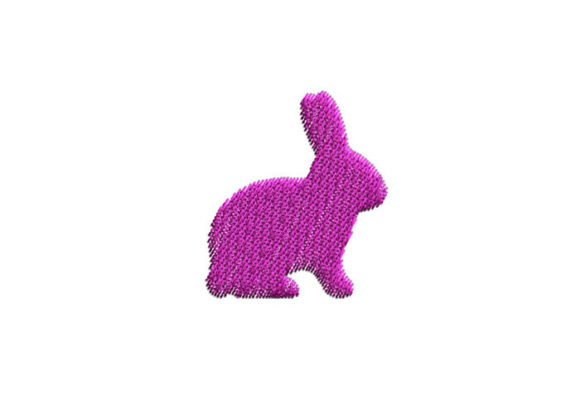
The initial view of Mini Bunny suggests a balance between whimsy and structure. It fits squarely into the Woodland Animals category, yet it avoids the overly complex detailing that often plagues this niche. The silhouette is clean, which is crucial for readability at smaller sizes. For an Etsy seller or craft business owner, clarity is currency. If a customer cannot identify the subject from three feet away, the design fails its primary purpose.
The mood here is gentle and approachable. It does not scream for attention with aggressive saturation or excessive satin stitch borders. Instead, it relies on shape and modest detail. This makes it versatile. It feels appropriate for a personalized gift for a newborn, yet subtle enough for an adult’s sweatshirt embroidery if paired with muted, earthy thread colors. The visual personality is quiet confidence, which is rare in digital design assets.
Real-World Application: The Tote Bag Test
To truly understand how Mini Bunny performs, I mentally placed it on a canvas tote bag. This is a common request for small shop owners. Canvas has a distinct fabric texture that can swallow fine details. Because this design appears to prioritize bold shapes over microscopic intricacy, it should translate well to heavier materials. The fill stitch areas likely provide enough coverage to prevent the background fabric from showing through, provided the correct stabilizer is used.
Imagine a spring collection for a boutique. You pair Mini Bunny with wildflower motifs. The result is a cohesive embroidery project that feels curated rather than slapped together. For a handmade product line, consistency is key. This design’s simplicity allows it to scale. You can place it on a pocket, a corner hem, or center stage without losing its identity. This flexibility is vital for commercial embroidery where one design must serve multiple product types.
Navigating Fabric and Hoop Constraints
While Mini Bunny is versatile, it is not invincible. There are specific scenarios where caution is required. If you are working with stretchy fabrics like jersey knits for custom apparel, the density of the stitches becomes critical. Too much pull, and the bunny distorts into an unrecognizable blob. Always test on scrap fabric first. Check how the running stitch outlines behave under tension.
Similarly, consider the hoop size. If you are attempting to shrink this design for a tiny embroidered patch or a baby’s sock, verify the minimum viable size. Details that look crisp on screen can merge into a solid mass when stitched at half an inch wide. For dark fabrics, ensure your thread choice offers high contrast. A pastel bunny on navy blue might vanish if the stitch definition is not sharp. Use proper stabilizer—cut-away for stretchy garments, tear-away for stable wovens—to maintain the integrity of the finished product.
Commercial Viability and Brand Consistency
For digital embroidery file sellers and small shop product creators, the value of Mini Bunny lies in its adaptability. It fits seamlessly into seasonal campaigns. Think holiday embroidery for Easter baskets or baby embroidery for nursery decor. It enhances brand consistency because it is not overly trendy. It will not look dated in two years. This longevity builds customer trust. Buyers return to shops that offer timeless quality.
When creating printable mockup previews for your online store, remember to show the design on various backgrounds. Show it on a white tee, a denim jacket, and a linen pillow cover. This helps buyers visualize the tote bag design or cap application in their own lives. High-quality presentation increases perceived value. A well-stitched Mini Bunny signals professionalism. It tells the customer that you care about the technical execution, not just the cute factor.
Technical Notes for the Serious Stitcher
Before committing to a large batch of custom apparel or personalized products, take these practical steps:
- Check File Formats: The description notes multiple formats. Ensure your machine reads the specific file type you download. Do not assume compatibility.
- Review Stitch Density: Look at the color change sequence. Are there excessive jumps? These can cause thread nests on the back of the fabric.
- Test Thread Contrast: Try stitching in monochrome first. If the design loses its shape in black and white, it may rely too heavily on color rather than form.
- Verify Licensing: If you plan to sell items featuring Mini Bunny, confirm the license terms. Some designers allow commercial use of finished goods but restrict the resale of the digital file itself.
- Inspect Small Details: Zoom in on the eyes and ears. Are they satin columns or simple runs? Satin columns may require careful tension adjustment to avoid snagging.
Final Verdict on Mini Bunny
Mini Bunny is a solid addition to any embroidery library focused on nature and whimsy. It respects the limitations of the medium while maximizing aesthetic appeal. It is not just a pretty picture; it is a functional applique design alternative that stands on its own merits. For the maker who values efficiency and elegance, this design offers a reliable path to creating high-quality handmade items. Whether you are decorating a kitchen towel or launching a new line of boutique branding merchandise, Mini Bunny delivers the professional finish your customers expect. Just remember to respect the fabric, choose your stabilizer wisely, and let the design speak for itself.