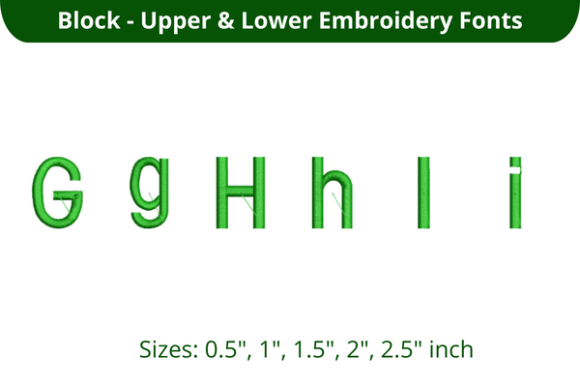
Reviewing Block Font GHI for Clean Embroidery
As a designer who has spent countless hours digitizing fonts and troubleshooting stitch-outs, I approach every new machine embroidery design with a mix of curiosity and skepticism. We have all been there: you download a font that looks crisp on the screen, only to find it turns into a tangled mess of thread breaks and puckering on actual fabric. That is why I took a close look at Block Font GHI. This is not just about aesthetics; it is about functionality in a real-world embroidery project.
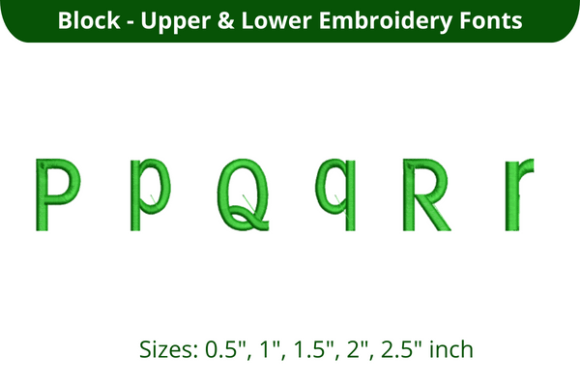
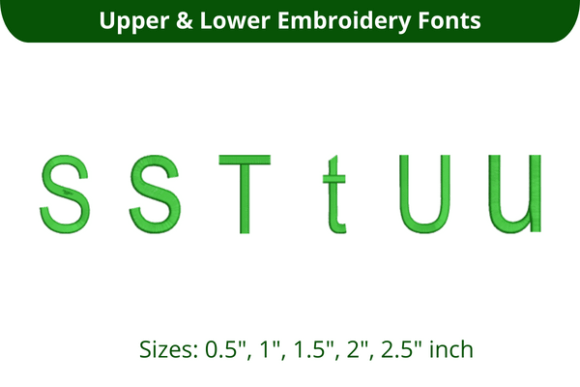
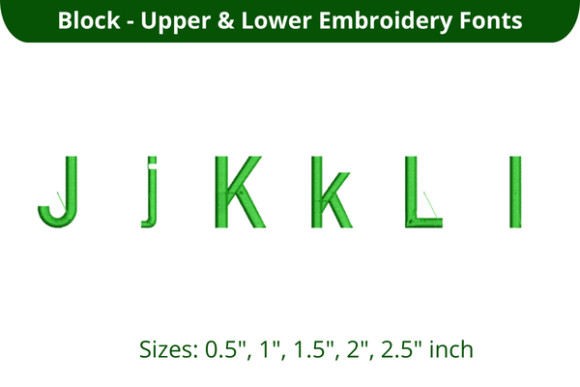
My first impression of this typeface was its structural integrity. Block fonts are often dismissed as boring, but in the world of machine embroidery, they are the workhorses. They offer readability and durability. Block Font GHI carries a modern, slightly industrial mood without feeling cold. The lines are clean, the corners are sharp but not overly dense, and the spacing feels balanced. It does not scream for attention, which makes it perfect for projects where the message matters more than the decoration.
Real-World Application: The Back To School Rush
To truly test a font, you need a scenario. I imagined preparing a batch of custom items for the Back To School season. This is a high-pressure time for any Etsy seller or craft business owner. Parents want names on backpacks, lunchboxes, and water bottles. They want clarity. They do not want cursive scripts that become illegible after three washes.
I visualized using Block Font GHI on a canvas tote bag design. The bold nature of the letters would stand up well against the coarse texture of canvas. Unlike delicate script fonts that might get lost in the weave, these block letters provide enough surface area for the needle to penetrate cleanly. I also pictured it on a heavyweight cotton sweatshirt embroidery project. Here, the font’s weight complements the bulk of the garment. It looks intentional and professional, adding value to what could otherwise be a plain piece of apparel.
The versatility extends to smaller items too. For baby embroidery, such as a burp cloth or a onesie, the simplicity of the design ensures that the stitching remains soft. Complex fill stitches can sometimes feel stiff against sensitive skin, but a well-digitized block font often relies on cleaner paths that lay flatter. This makes Block Font GHI a strong candidate for personalized gifts that need to be both cute and comfortable.
Stitching Performance and Technical Considerations
When evaluating an embroidery file, I always look at how it handles different stitch types. While I do not have the exact technical specifications for this specific file in front of me, typical block fonts utilize a combination of satin stitch for thinner strokes and fill stitch for broader areas. If Block Font GHI follows standard best practices, the transition between these should be seamless.
One critical factor is stitch density. If the density is too high, the fabric will pucker, especially on lighter materials. If it is too low, the backing fabric might show through, ruining the visual appeal. In my experience, block fonts require a careful balance. I recommend testing this design on scrap fabric first. Check how the threads sit. Are they lying flat? Is there any pulling? These small details determine whether your finished product looks handmade in a charming way or amateurish in a disappointing way.
Another aspect to consider is the hoop size. Block fonts can be scaled, but scaling down too much can cause issues with tiny details like the inner counters of letters like 'e' or 'a'. If you are working on a small item, such as a collar tag or a small embroidered patch, ensure that the smallest elements of Block Font GHI remain open and distinct. If the holes close up during stitching, the letter becomes unreadable.
Fabric and Material Compatibility
Not all fabrics behave the same. Block Font GHI will perform differently on a smooth polyester versus a textured linen. On stretchy fabrics, such as jersey knits used in t-shirts, proper stabilization is non-negotiable. Without a good cut-away or tear-away stabilizer, even the best-designed font will distort. The rigid structure of block letters can actually help mask minor distortion compared to flowing scripts, but it is not immune to physics.
For dark fabrics, thread choice becomes crucial. A light-colored thread on a dark background highlights every imperfection. Conversely, a dark thread on a dark fabric might lack contrast. I suggest creating printable mockup designs or digital previews to test color combinations before committing to thread. High-contrast thread colors usually work best with block fonts to emphasize their geometric shape.
Be cautious with curved surfaces like caps. Embroidering on a curved brim requires precise hooping and often a specialized cap frame. The straight lines of Block Font GHI must follow the curve of the cap without appearing warped. This takes practice, but the clean lines of this font make it easier to align than more complex decorative fonts.
Commercial Viability and Brand Consistency
For commercial embroidery professionals and small shop product creators, consistency is key. Using a reliable font like Block Font GHI helps build brand recognition. Customers begin to associate that clean, bold look with your quality. It signals professionalism. Whether you are creating holiday embroidery for seasonal sales or everyday custom apparel, having a go-to font that you know stitches out perfectly saves time and reduces waste.
This font fits well within the Back To School category, but its utility goes far beyond. Think about kitchen towels, aprons, or even home decor like pillow covers. The neutral style of the font allows it to blend with various interior design themes. It does not clash with patterns; instead, it anchors them.
Final Designer Notes
Before you integrate Block Font GHI into your workflow, keep these practical tips in mind:
- Test on scraps: Always run a test stitch-out on the actual fabric you plan to use. This reveals issues with tension and density.
- Check licensing: Confirm whether the digital embroidery file license allows for commercial use if you plan to sell finished items. Never assume.
- Observe detail levels: Zoom in on your design software. Look for unnecessary jump stitches or complex nodes that might slow down your machine.
- Contrast matters: Ensure your thread color contrasts sufficiently with the fabric to maintain legibility.
- Stabilizer selection: Match your stabilizer to the fabric weight. Heavier fabrics may need less support, while stretchy or thin fabrics need robust stabilization.
In conclusion, Block Font GHI appears to be a solid addition to any designer’s library. It offers the reliability needed for high-volume production and the aesthetic cleanliness required for premium handmade product listings. It is not flashy, but it is effective. In the world of Embroidery, effectiveness often trumps extravagance. By focusing on clarity and durability, this font supports the creation of products that customers will trust and enjoy for years. Whether you are a hobbyist making gifts for friends or a seasoned pro managing a busy online store, this design deserves a spot in your rotation.