Monogram O: A Floral Review for Real Embroidery Projects
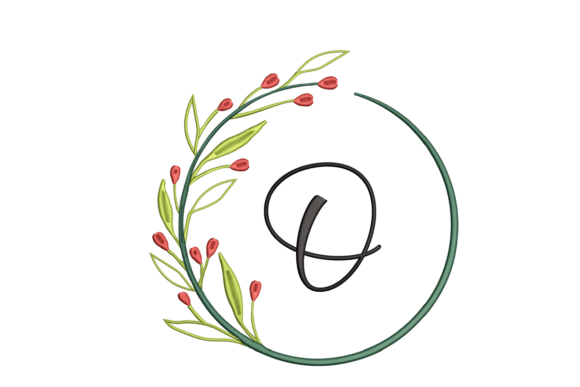
When I first pulled up the Monogram O file on my screen, I wasn’t just looking at a letter; I was evaluating a potential brand asset. As designers and makers, we know that a monogram is rarely just about identification. It is about mood, texture, and the perceived value of the finished product. This particular design falls under the Shapes category, but it behaves much more like a decorative motif. The integration of fresh, floral elements into the structure of the letter "O" creates a softness that standard block fonts simply cannot achieve. For anyone running a craft business or selling on platforms like Etsy, understanding how this design translates from a digital embroidery file to actual thread is crucial before you commit to production.
First Impressions: Mood and Visual Personality
The immediate impression of Monogram O is one of approachable elegance. It does not shout; it whispers. The floral accents are not merely tacked on; they seem to grow out of the letterform itself. This organic flow suggests that the design is best suited for projects where warmth and personalization are key. If you are creating a personalized gift for a wedding, baby shower, or housewarming, this design hits the right emotional notes. It feels intentional and curated, which helps build customer trust. In a market saturated with generic fonts, a design that offers this level of visual personality can significantly enhance buyer engagement.
However, a pretty preview image is not enough. We need to talk about stitch execution. The balance between open space and detailed stitching in this machine embroidery design suggests a moderate stitch density. This is generally good news for durability, but it requires careful attention when selecting your stabilizer and fabric combination.
Real-World Application: From Tote Bags to Sweatshirts
To truly test the viability of Monogram O, I mentally placed it on several common items I produce for my small shop. Let’s start with a canvas tote bag design. Canvas is sturdy, providing a stable base for the floral details. The contrast of delicate flowers against rugged fabric creates a lovely juxtaposition that customers love. Here, the design would likely perform well using a combination of satin stitch for the letter outlines and fill stitch for the heavier floral elements. The result is a tactile, high-quality look that justifies a higher price point.
Moving to apparel, consider sweatshirt embroidery. Fleece and cotton blends are forgiving, but they can swallow small details if the digitizing isn’t sharp. Monogram O appears to have enough structural integrity to hold its shape on a chest pocket or sleeve. However, I would advise against placing it on highly textured fabrics like thick terry cloth without extensive testing, as the finer floral petals might get lost in the pile. For custom apparel like t-shirts, you must use a cut-away stabilizer to prevent puckering, especially since the circular nature of the "O" can pull on knit fabrics if not properly supported.
Another strong contender is the embroidered patch. Patches allow you to control the background completely. Stitching Monogram O onto a solid twill background ensures that every petal and curve is visible. This makes it an excellent option for boutique branding or adding a signature touch to hats and bags without committing to direct-to-garment stitching on difficult surfaces.
Navigating Challenges: Fabric and Hoop Constraints
While Monogram O is versatile, it is not without its limitations. Designers must be cautious when working with thin fabric or stretchy materials. The floral elements, while beautiful, introduce complexity. If the stitch density is too high in the flower centers, it can cause perforation or stiffening of delicate silks or rayons. Always test on scrap fabric first. Check how the thread interacts with the material. Does it pull? Does it pucker?
Size matters immensely here. If you are scaling this down for a baby embroidery project, such as a onesie or burp cloth, ensure that the smallest details remain distinct. Tiny lettering and intricate corners can merge if stitched too small. I recommend checking the design in a black and white mockup to see if the contrast holds up at reduced sizes. If the details blur together, it may not be suitable for very small hoop size applications.
Curved surfaces, like caps, present another challenge. The circular shape of the "O" is naturally compatible with curved hoops, but the floral extensions must be positioned carefully to avoid distortion. Ensure your hooping technique is tight and consistent. For dark fabrics, pay close attention to thread colors. A light thread on dark fabric requires precise registration to avoid gaps showing through. Conversely, dark thread on light fabric can cast shadows if the stitch angle is not optimized.
Commercial Viability and Designer Notes
For the Etsy seller or small shop product creator, Monogram O offers strong commercial potential. It fits seamlessly into niches like bridal parties, nursery decor, and holiday gifts. The design’s aesthetic aligns well with current trends favoring botanical and hand-drawn styles. However, professionalism is key. Before listing items made with this embroidery file, verify the licensing terms. Can you sell finished items? Can you use it in printable mockup designs for digital products? Confirming these details protects your business and ensures ethical use of design assets.
From a technical standpoint, treat this as a serious embroidery project. Do not assume it will run perfectly on the first try. Inspect small details after the test stitch. Are there jumps that need trimming? Is the underlay sufficient? Use proper stabilizer—tear-away for stable wovens, cut-away for knits. Compare the result on both light and dark fabric backgrounds to ensure versatility.
Ultimately, Monogram O is a strong addition to any designer’s library. It bridges the gap between simple typography and complex art. It adds value to handmade products by offering a unique, personalized touch that mass-produced items lack. Whether you are creating a holiday embroidery piece for a client or building a line of commercial embroidery goods, this design deserves a spot in your rotation. Just remember: respect the fabric, check your tension, and let the floral details shine. The difference between a good product and a great one often lies in these thoughtful, practical considerations.