Wheat Embroidery Design: A Pro Review for Branding
As an embroidery designer who has spent years digitizing files and consulting with small business owners, I approach every new machine embroidery design with a critical eye. It is not just about aesthetics; it is about functionality, durability, and brand alignment. Recently, I reviewed the Wheat design, a digital asset categorized under Food and Embroidery, to determine its viability for commercial use. For boutique owners, café operators, and handmade brands, this review breaks down how this specific motif performs in real-world applications.
First Impressions: Visual Personality and Brand Fit
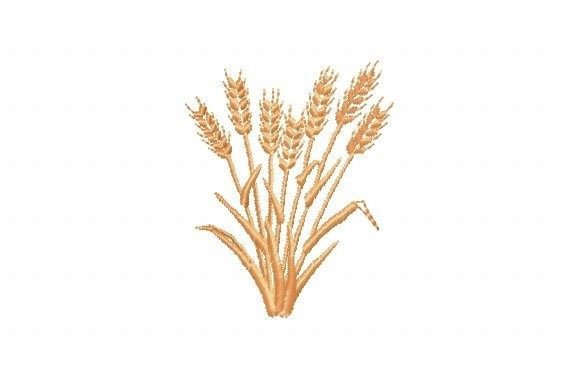
The first thing that strikes you about the Wheat design is its inherent versatility. Wheat stalks are universally recognized symbols of harvest, nature, and artisanal quality. Visually, this design feels rustic yet refined. It does not scream "loud" or "aggressive"; instead, it offers a warm, inviting aesthetic that aligns perfectly with businesses aiming to project trust and organic quality.
For a bakery, a florist, or a local coffee shop, this imagery reinforces a narrative of freshness and care. It is not overly cartoonish, which makes it suitable for premium branding, nor is it so abstract that it loses meaning. The balance between detail and simplicity suggests that it was digitized with intention, aiming to look great on any fabric, from clothes to home decor. This adaptability is crucial for small business merch where consistency across different materials is key.
Real-World Applications for Small Business Merch
When evaluating a digital embroidery file for commercial purposes, I always ask: where can this live? The Wheat design shines in several specific areas of branded merchandise.
- Embroidered Patches: This is perhaps the strongest use case. A wheat motif works beautifully as an iron-on or sew-on patch for tote bags and denim jackets. It allows customers to buy a standalone product that promotes your brand without committing to a full custom garment.
- Staff Uniforms and Aprons: For cafés and bakeries, apron embroidery adds a touch of professionalism. Placing the wheat design on the chest pocket or the lower corner of an apron creates a subtle, high-end look that elevates the staff's appearance.
- Cap Embroidery: Curved surfaces are tricky, but a streamlined wheat stalk can work well on the side panel of a baseball cap or the front of a beanie. It serves as a recognizable icon that builds brand recognition without overwhelming the headwear.
- Tote Bag Design: Canvas totes are a staple for eco-conscious brands. The natural theme of wheat complements the raw texture of canvas, making it an ideal choice for grocery bags or event giveaways.
Using this design as a sleeve detail on work shirts or as a small accent on product packaging can also enhance the perceived value of your handmade product. It turns a simple item into a piece of custom apparel that customers are proud to wear.
Technical Considerations and Production Notes
While the aesthetic appeal is strong, technical execution determines the longevity of your finished product. Here are my professional notes for anyone planning to use the Wheat design in a production environment.
Fabric Texture and Stabilizer Choice
The description notes that this detailed embroidery will look great on any fabric. However, experienced designers know that fabric texture plays a massive role in outcome. On smooth cotton or poly-blends, the details will pop. On textured towels or rough canvas, finer details might get lost. Always test on your specific material. Furthermore, choosing the right stabilizer is non-negotiable. For stretchy fabrics like t-shirts, use a cut-away stabilizer to prevent distortion. For woven fabrics like aprons, a tear-away may suffice, but hooping must be tight to avoid puckering.
Scale and Stitch Density
One must consider stitch density when resizing. If you shrink the Wheat design too much for a tiny label or a small patch, the stitches may merge, turning distinct stalks into a solid blob. Conversely, enlarging it significantly might reveal gaps in the digitizing if the original file wasn't optimized for large hoop size formats. I recommend creating a printable mockup at actual size to check spacing before running the machine.
Thread Colors and Contrast
Wheat implies golden, tan, or brown hues. However, for brand identity, you might need to adapt. Test the design in black and white first to ensure the silhouette remains clear. If your brand colors are dark, ensure there is enough contrast between the thread colors and the fabric. On dark uniforms, consider using a lighter gold or cream thread to maintain visibility.
Impact on Brand Identity and Customer Trust
Why does this matter? Because consistent visual assets build trust. When a customer sees the same high-quality embroidered patch on their tote bag as they see on your staff’s apron, it reinforces professionalism. The Wheat design, being part of the Food category, subtly communicates freshness and natural ingredients. This psychological cue can increase buyer engagement and justify a higher price point for your goods.
For Etsy sellers and crafters, offering items with this design expands your design assets portfolio. It allows you to tap into the "cottagecore" and sustainable living markets, which are currently driving significant traffic in online marketplaces. A well-executed embroidery project signals that you care about quality, which translates directly to customer loyalty.
Final Verdict and Licensing Checks
Before integrating Wheat into your commercial embroidery workflow, there are administrative steps to take. The product description states it is a high-quality design perfect for sewing projects, but it does not explicitly list the license terms. Always confirm commercial licensing before business use. Ensure you have the rights to sell items made with this file.
Additionally, check the specific file formats provided. Does it include PES, DST, or JEF files compatible with your machine? Verify the recommended hoop size to avoid unnecessary re-digitizing. If these details are not provided in the download package, contact the seller immediately.
In conclusion, the Wheat embroidery design is a robust candidate for small business branding. Its rustic elegance suits a wide range of industries, from food service to retail. By paying attention to technical details like stabilizer choice, scale, and thread contrast, you can transform this digital file into a powerful tool for building your brand identity. Whether used on a cap, a tote, or an apron, it offers a professional finish that resonates with customers seeking authenticity and quality.