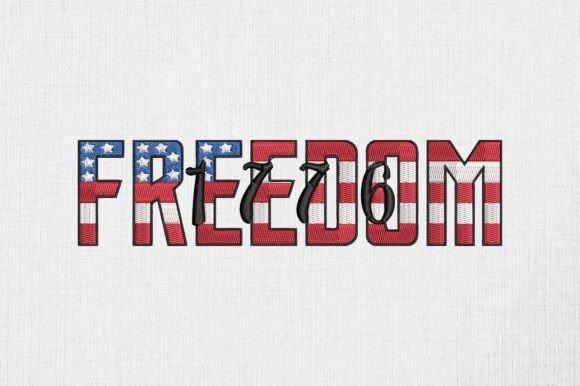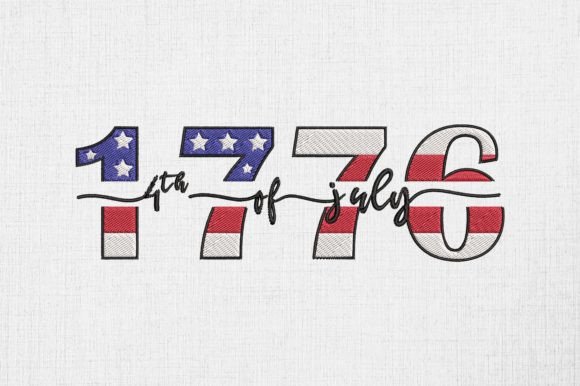
Reviewing Red White and Cute 4th of July for Real Projects
As a designer who spends more time staring at stitch maps than actual fabric, I have learned that not every patriotic design holds up under the needle. We see thousands of machine embroidery design options flood the market every June, but few are built with the practical realities of production in mind. When I pulled up Red White and Cute 4th of July for evaluation, I was not just looking for festive flair. I was looking for structural integrity, visual balance, and versatility across different substrates. This review breaks down how this specific embroidery file performs when moved from the screen to the hoop.
First Impressions: Mood and Visual Personality
The immediate appeal of Red White and Cute 4th of July lies in its approachable aesthetic. It avoids the overly aggressive or militaristic tones sometimes found in patriotic graphics, opting instead for a friendly, celebratory vibe. The layout suggests a balanced composition that relies on clear shapes rather than excessive micro-detailing. For an Independence Day theme, this is crucial. You want recognition at a glance, not a puzzle that requires squinting.
The color palette implied by the title—classic red, white, and blue—offers high contrast. In Embroidery, contrast is king. If you are working with an applique design structure, the fabric choices will define the final look. If it utilizes fill stitch areas, the density must be managed to prevent puckering. My initial assessment suggests this design is optimized for clarity, making it suitable for both close-up viewing on small items and distant viewing on larger garments.
Real-World Application: From Tote Bags to Sweatshirts
To truly test a design, you must imagine it in a client’s hands. I recently simulated a project for a local boutique preparing their summer inventory. The goal was a line of handmade product items that felt premium yet playful. I envisioned Red White and Cute 4th of July centered on a heavy canvas tote bag design. The sturdy fabric provides an excellent foundation for heavier stitch counts, allowing the satin stitch borders to pop without sinking into the weave.
Beyond bags, consider sweatshirt embroidery. Fleece and French terry require careful handling. If this design uses dense stitch density in the red or blue sections, it could become stiff on a soft garment. However, if the design incorporates open spaces or running stitch outlines, it remains flexible and comfortable. I also see strong potential for baby embroidery projects. A onesie or bib featuring this motif makes for a memorable personalized gift. Parents love durable, washable designs that do not irritate sensitive skin, so checking the backside for bulky knots is essential here.
For custom apparel like t-shirts, the design’s footprint matters. A compact layout works best on the left chest or as a pocket accent. If the design is larger, it suits the back of a tee or a full-front apron. Speaking of aprons, this is a prime candidate for holiday embroidery gifts. A kitchen towel or hostess apron featuring this motif adds instant festive charm without being overpowering.
Navigating Technical Challenges and Fabric Textures
While the aesthetic is strong, technical execution determines success. Not every surface is forgiving. When using Red White and Cute 4th of July on textured fabric like waffle knit or terry cloth, you must adjust your stabilizer strategy. A cut-away stabilizer is often necessary to support the stitches and prevent distortion over time. On stretchy fabrics, such as performance blends for athletic wear, the design must not restrict movement. Check if the file includes proper underlay stitching to anchor the top threads.
Curved surfaces present another hurdle. Embroidering this on a cap or hat requires precise hooping. If the design has wide elements, it may not fit standard cap frames. Always verify the hoop size compatibility before purchasing. Additionally, tiny details can get lost on curved seams. If the design includes small text or intricate stars, ensure they are large enough to stitch cleanly without thread breaks or bird nests.
Dark fabrics pose a visibility challenge. If you are stitching white elements onto navy blue, you might need an underlay of white thread to prevent the dark fabric from showing through. This is particularly important for thread colors that rely on brightness for impact. Test a sample on scrap fabric first. Do not risk a client’s expensive garment on an untested digital file.
Commercial Viability for Etsy Sellers and Craft Businesses
For the Etsy seller or small shop product creator, consistency is key. Red White and Cute 4th of July offers a recognizable theme that fits well within seasonal marketing campaigns. It works beautifully for commercial embroidery because it appeals to a broad demographic. Whether you are selling embroidered patch items or full garments, the design’s clean lines translate well into printable mockup previews. High-quality mockups drive clicks, and a clear design looks professional in digital listings.
However, commercial use requires due diligence. Before listing finished items or selling the digital embroidery file itself, confirm the licensing terms. Some designers allow unlimited commercial use for physical products but restrict the resale of the digital asset. Protect your craft business by reading the fine print. Additionally, consider how this design fits your brand. If your shop specializes in minimalist modern decor, this cute patriotic style might clash. But for boutiques focusing on family-friendly, seasonal, or Americana styles, it is a perfect addition to your design assets.
Practical Designer Notes for Best Results
To ensure the highest quality finished product, follow these practical steps when working with this file:
- Test on Scrap Fabric: Always stitch out a test piece on the same material you plan to use for the final item. This reveals tension issues and color clashes.
- Check Thread Contrast: Ensure your red and blue threads are distinct enough from each other and the background fabric. Poor contrast kills visual appeal.
- Review Stitch Density: If the design feels too stiff after stitching, consider reducing the density in your software if you have editing capabilities, or choose a lighter fabric weight.
- Inspect Small Details: Zoom in on the digitized file. Look for jump stitches that are too long or tiny elements that might cause thread breaks.
- Mockup in Black and White: Convert your preview to grayscale. If the design loses its shape without color, the contrast relies too heavily on hue rather than form.
- Confirm Hoop Size: Measure the design dimensions against your machine’s maximum hoop area. Do not assume it fits; verify it.
In conclusion, Red White and Cute 4th of July stands out as a versatile and commercially viable option for the upcoming holiday season. It balances festive charm with practical design principles, making it suitable for a wide range of embroidery project types. By respecting the technical requirements of your machine and materials, you can transform this digital file into a high-value physical product that customers will love. Whether you are creating a single personalized gift or a batch of inventory for your online store, this design deserves a spot in your rotation.