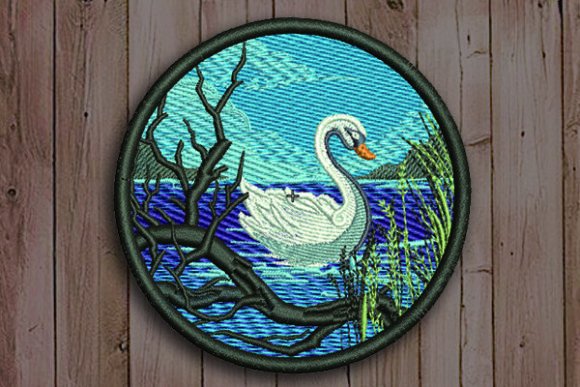
Swan on the Lake: An Embroidery Designer’s Review
As an embroidery designer who spends countless hours digitizing and stitching, I am always cautious about which machine embroidery design assets I add to my library. When I first encountered Swan on the Lake on Creative Fabrica, I was looking for a piece that balanced elegance with practical stitchability. This review breaks down my experience evaluating this design for real-world commercial projects, from custom apparel to home decor.
First Impressions and Visual Mood
The immediate appeal of Swan on the Lake lies in its serene aesthetic. In the world of Birds themed Embroidery, it is easy to find designs that are either too cartoonish or overly complex. This design strikes a middle ground. It feels sophisticated without being stiff. The visual mood is calm and graceful, making it an excellent candidate for products that require a touch of class.
From a technical standpoint, the preview images suggested a clean layout. For those of us who sell handmade product items, presentation is everything. A design that looks cluttered on screen often translates poorly to fabric. However, Swan on the Lake appears to have well-defined shapes that should translate smoothly into thread. The decorative appeal is high, suggesting it would work well as a focal point on minimalist items.
Real-World Application for Commercial Projects
I evaluated this digital embroidery file with specific customer orders in mind. Here is how I see it performing across different categories:
- Custom Apparel: The design’s elegance makes it suitable for sweatshirt embroidery. Placed on the left chest or as a larger back print, it adds a boutique feel to plain garments.
- Home Decor: This is arguably the strongest use case. Imagine this stitched onto a neutral-toned tote bag design or a linen pillow cover. The natural theme fits perfectly with current interior trends.
- Kitchen and Bath: A high-quality embroidered patch or direct stitch on a flour sack towel can elevate a simple kitchen accessory into a personalized gift.
- Nursery Items: While not overly childish, the gentle nature of the swan works for baby blankets, provided the color palette is soft and soothing.
For Etsy sellers and small business owners, versatility is key. A design that can be used on both a cap and a throw pillow maximizes the return on investment for each download. Swan on the Lake offers this flexibility, allowing for consistent branding across a diverse product line.
Technical Considerations and Stitching Performance
Before running any design on a customer’s expensive garment, I always analyze the technical specs. Since the product description notes that Swan on the Lake is a high-quality design that is fun and easy to stitch, I approached it with optimism but maintained my standard rigorous testing protocol.
Fabric and Stabilizer Choices
The success of any applique design or standard fill depends heavily on the substrate. For this design, I recommend using a cut-away stabilizer for stretchy fabrics like jersey knits used in t-shirts or sweatshirts. For woven fabrics like tote bags or aprons, a tear-away stabilizer may suffice, but always test first.
If you are stitching on dark fabric, pay close attention to thread colors. The contrast between the swan and the background must be sharp. If the design relies on subtle shading, ensure your thread selection provides enough distinction. A poor color choice can make the details disappear, ruining the elegant look.
Hoop Size and Placement
One critical factor is the hoop size. While the description mentions multiple formats, you must verify the specific dimensions included in the download. If the design is large, it may not fit in a standard 4x4 hoop, requiring a 5x7 or larger frame. Always confirm the file details on the Creative Fabrica product page before purchasing to ensure compatibility with your machine.
For curved surfaces like caps, placement is tricky. A detailed swan design might distort if the cap panel is too narrow. I suggest using a backing stabilizer specifically designed for caps to prevent puckering. If the design includes fine details, ensure they are not lost in the curvature.
Stitch Density and Texture
Dense stitch areas can cause fabric to pucker or thread to break. Since this is described as easy to stitch, I anticipate a balanced stitch density. However, always check for long running stitch travels that might need tacking down. Look for areas of heavy fill stitch or satin stitch work. If the satin columns are too wide, they may snag easily. A well-digitized design will use underlay stitches effectively to support these top layers.
Enhancing Product Value and Brand Trust
Using high-quality assets like Swan on the Lake directly impacts your brand perception. Customers associate clean, professional stitching with reliability. A sloppy or poorly chosen design can undermine trust. By selecting a design that is inherently elegant, you reduce the risk of user error during the stitching process.
Furthermore, this design lends itself well to printable mockup creation. Before you even stitch a single thread, you can create stunning visuals for your online shop. High-quality design assets allow you to present a polished image to potential buyers, increasing click-through rates and engagement.
Practical Steps Before You Stitch
To ensure the best results with Swan on the Lake, follow these steps:
- Test on Scrap Fabric: Never stitch directly on the final product. Use a similar fabric scrap to check tension and registration.
- Check Thread Contrast: Lay out your threads against the fabric. Ensure the swan stands out clearly.
- Review License Terms: Confirm the licensing on the Creative Fabrica product page. Most designs allow for commercial use of the finished product, but rules vary.
- Inspect Small Details: After the test stitch, examine the smallest elements. Are they crisp? Do they pull?
- Consider Washing: If the item will be washed frequently, such as a baby blanket or kitchen towel, ensure the stitches are secure and the fabric can handle the stress.
In conclusion, Swan on the Lake appears to be a strong addition to any embroidery designer’s toolkit. Its blend of aesthetic grace and presumed technical ease makes it suitable for a wide range of commercial embroidery projects. By taking the time to test and prepare properly, you can create beautiful, sellable items that customers will love.