Reviewing Block Font PQR for Embroidery
As an embroidery designer who spends countless hours digitizing and stitching out fonts, I have developed a keen eye for what makes a typeface truly workable in thread. Not every font that looks crisp on a screen translates well to fabric. When I first encountered Block Font PQR on Creative Fabrica, I was immediately drawn to its clean, structural aesthetic. It promised the kind of versatility that is often missing in decorative script fonts, offering a sturdy foundation for personalization. After reviewing the details and considering its application for real-world projects, I believe this asset holds significant value for both hobbyists and commercial sellers.
First Impressions and Visual Mood
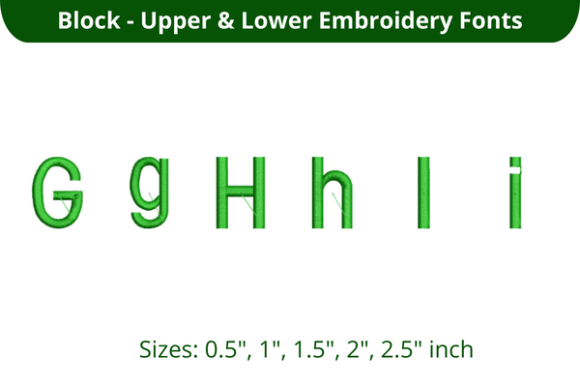
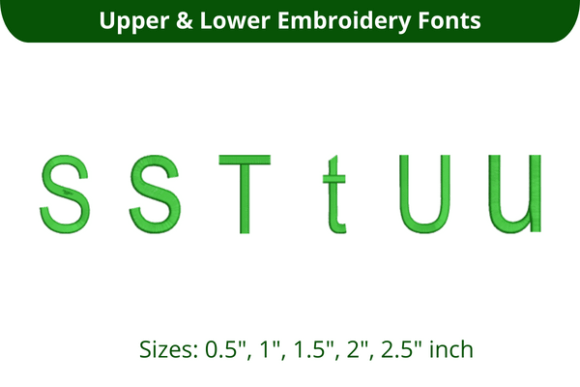
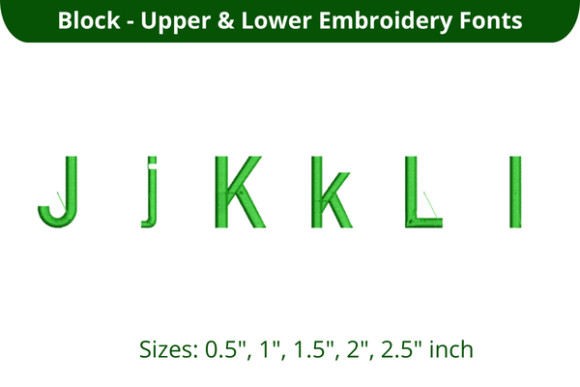
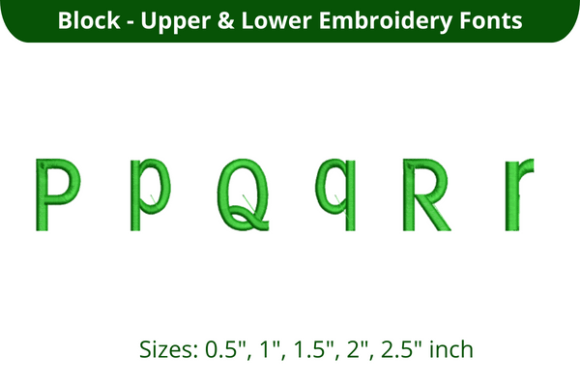
The immediate appeal of Block Font PQR lies in its clarity. In the world of machine embroidery design, legibility is paramount, especially when creating personalized gifts or custom apparel. This font exudes a modern, no-nonsense vibe that feels both professional and approachable. Unlike intricate scripts that can become muddy when stitched at smaller sizes, block fonts rely on strong lines and consistent spacing. The visual mood here is grounded and reliable, making it an excellent choice for projects where the message needs to be read quickly and clearly.
The detail level appears sufficient for standard home embroidery machines without being overly dense. For those of us who worry about thread breaks or bird nests, a font that balances aesthetic appeal with practical stitch placement is a welcome addition to our digital libraries. It fits naturally into the Back To School category, but its utility extends far beyond seasonal trends, serving as a staple for year-round Embroidery projects.
Real-World Application for Sellers and Crafters
For Etsy sellers and small business owners, the versatility of a font can determine its return on investment. Block Font PQR shines in applications where durability and readability are key. Imagine using this embroidery file for custom apparel such as sweatshirt embroidery. The bold nature of the letters stands out beautifully against fleece or cotton blends, providing a high-end boutique look without requiring complex layering.
Beyond clothing, consider the potential for tote bag designs. A simple name or a short quote stitched in this font on a canvas tote creates an instant bestseller for craft fairs. The structural integrity of the block letters ensures that the design remains intact even when the bag is loaded with groceries or books. Similarly, for embroidered patches, this font offers the clean edges necessary for a polished finish, whether you are using a satin stitch border or a simple running stitch outline.
Home decor items also benefit from this typeface. Pillow covers and kitchen towels often require designs that can withstand frequent washing. The straightforward geometry of Block Font PQR suggests it would hold up well over time, maintaining its shape and charm. For nursery decor, it provides a gender-neutral option that pairs well with both pastel and primary thread colors, appealing to a broad range of customers looking for personalized baby items.
Technical Considerations for Stitching Success
While the design is promising, successful execution depends on understanding how machine embroidery interacts with different materials. When working with Block Font PQR, pay close attention to stitch density. Block fonts can sometimes appear heavy if the fill stitch is too dense, particularly on lighter fabrics. I recommend testing on scrap fabric first to ensure the material does not pucker or distort under the weight of the thread.
Hoop size is another critical factor. Before starting a large project like a blanket or a full-front sweatshirt design, confirm that your chosen hoop size accommodates the full length of the names or dates you intend to stitch. If you are working on curved surfaces, such as caps, be mindful of how the straight lines of the font interact with the curve. Proper stabilization is non-negotiable here; a cut-away stabilizer is often best for stretchy fabrics like jersey knits, while a tear-away may suffice for stable wovens like aprons or pillow covers.
Thread color contrast plays a huge role in the final presentation. On dark fabric, lighter threads will make the letters pop, but you must ensure the stitch coverage is complete to prevent the background from showing through gaps. Conversely, on light fabric, darker threads provide sharp definition. Always review your design assets and adjust thread colors in your software to match the specific fabric you are using.
Enhancing Product Value and Brand Consistency
Incorporating a high-quality font like Block Font PQR into your product line can significantly enhance buyer trust. Customers associate clean, professional stitching with high-quality handmade products. When your typography is crisp and well-executed, it elevates the perceived value of the finished product. This is crucial for competitive marketplaces where visual appeal drives clicks and sales.
Consistency is key for brand building. Using a reliable font across various items—from tote bags to baby blankets—creates a cohesive brand identity. Customers begin to recognize your style, which fosters loyalty and repeat business. Furthermore, clear, bold lettering photographs exceptionally well for online listings. Whether you are creating printable mockups for digital previews or photographing actual samples, the strong lines of this font ensure that your product images remain sharp and engaging on social media and e-commerce platforms.
Practical Tips for Best Results
To get the most out of this Creative Fabrica embroidery download, follow these practical steps:
- Test on Scrap Fabric: Always stitch a sample on the same type of fabric you plan to use for the final product to check for puckering or registration issues.
- Check Stabilizer Compatibility: Match your stabilizer to the fabric weight. Stretchy fabrics need more support than stable wovens.
- Review Stitch Density: If the design feels too stiff after stitching, consider adjusting the density settings in your embroidery software if the file format allows, or choose a lighter weight fabric.
- Confirm Hoop Size: Ensure your machine’s hoop can handle the maximum character width you plan to use.
- Inspect Small Details: After stitching, inspect the entry and exit points of the thread to ensure a clean finish, trimming any loose ends carefully.
Finally, always verify the licensing terms on the Creative Fabrica product page. While this description highlights the quality and usability of the design, understanding the commercial rights associated with the digital embroidery file is essential for selling finished items. Ensure you are compliant with any usage restrictions regarding mass production or digital redistribution.
In conclusion, Block Font PQR represents a solid addition to any embroiderer’s toolkit. Its balance of aesthetic simplicity and functional durability makes it suitable for a wide array of projects, from back-to-school gear to everyday home goods. By paying attention to technical details like stabilizer choice and thread contrast, you can leverage this design to create professional, high-value handmade products that resonate with customers.