FSL Large Doily: Elevating Sweatshirt Design
As an embroidery designer who has spent years refining digitizing techniques for boutique apparel, I am always on the lookout for designs that bridge the gap between traditional craft and modern streetwear. Recently, I evaluated the FSL Large Doily for a potential inclusion in a limited-edition sweatshirt drop for a small online shop. The concept was simple yet ambitious: take the delicate, nostalgic charm of filet lace and apply it to the rugged comfort of premium heavyweight hoodies. This review explores how this specific machine embroidery design performs in a real-world commercial setting, focusing on aesthetics, technical execution, and brand value.
First Impressions: Mood and Aesthetic Appeal
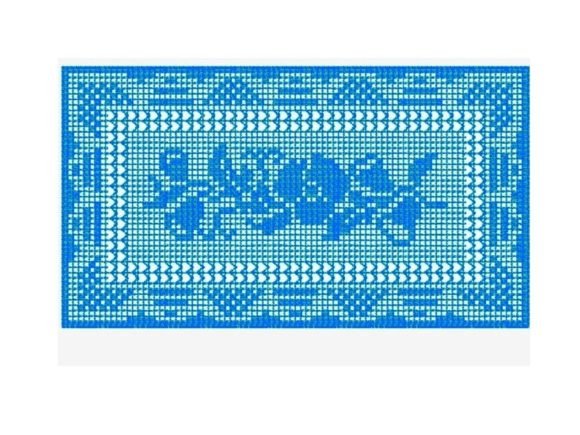
Upon loading the FSL Large Doily into my editing software, the immediate impression was one of intricate elegance. Unlike standard satin-stitch logos or blocky text, this design offers a complex, open-work structure that screams "handmade luxury." The layout suggests a classic filet pattern, characterized by its mesh-like background and solid motifs. For a boutique brand aiming to stand out in a saturated market, this aesthetic is powerful. It feels simultaneously rustic and feminine, offering a decorative touch that transforms a basic garment into a statement piece.
The design is categorized under Accessories and Embroidery, but its application extends far beyond traditional home decor. When visualized on neutral sweatshirts, such as oatmeal, charcoal, or soft pastel blues, the white or cream thread contrast creates a striking visual pop. On darker fabrics like navy or black, the doily acts as a bold, high-contrast focal point. It does not feel merely cute; it feels intentional and curated. For an Etsy seller or creative entrepreneur, this distinction is crucial. Buyers are increasingly seeking unique, artisanal details that mass-produced retailers cannot easily replicate.
Technical Execution and Stabilizer Strategy
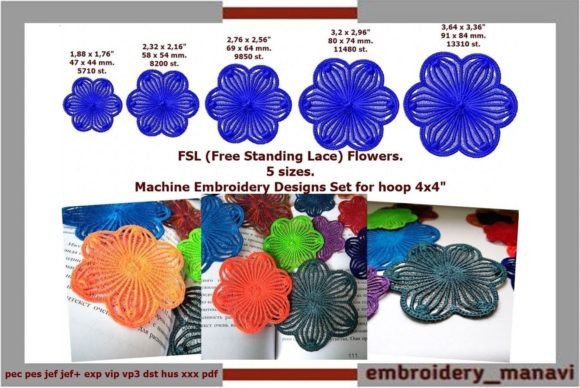
The most critical aspect of this project is understanding the nature of Free-Standing Lace (FSL). As the product description notes, FSL free-standing lace is not stitched onto fabric, but rather onto a water-soluble stabilizer. This requires a shift in mindset from typical sweatshirt embroidery. You are not stitching through the hoodie fabric; you are creating a standalone textile element that will later be attached.
The FSL Large Doily is made of two parts, which is a significant technical advantage. Embroidering a large, dense lace design in a single hoop can often lead to distortion or registration issues. By splitting the design, the digitizer has allowed for better stability during the stitching process. However, this means the final assembly requires precision. After stitching both parts on heavy-duty water-soluble stabilizer and washing away the backing, the two pieces must be joined seamlessly. For a small shop product, this extra step adds labor time but significantly increases the perceived value of the finished product.
When considering stitch density, FSL designs require a higher density than standard embroidery to ensure the lace holds its shape without collapsing. Before production, I recommend checking the specific stitch count and density settings in your digital embroidery file. If the density is too low, the doily may look flimsy on a thick hoodie. If it is too high, it may become stiff and uncomfortable against the skin. Testing on a scrap piece of stabilizer is non-negotiable here.
Placement and Branding Opportunities
Where you place the FSL Large Doily determines the vibe of the garment. For a cozy seasonal apparel line, I envision this design centered on the chest of an oversized hoodie. This placement mimics the look of a vintage brooch or a pendant, drawing the eye upward toward the face. Alternatively, placing smaller iterations on the sleeve cuffs or near the hem can create a subtle, sophisticated accent that appeals to customers seeking minimal yet decorative styles.
For custom apparel branding, this design offers a unique canvas. Imagine adding a small, monogrammed initial in the center of the doily’s open mesh. This customization capability enhances buyer trust and brand identity, as it shows attention to detail. When creating printable mockup previews for your online store, ensure the lighting highlights the texture of the lace. Flat lighting will make the FSL look like a printed graphic, whereas side lighting will reveal the dimensional quality of the threads, boosting customer engagement.
Commercial Viability and Durability Concerns
Is this design strong enough for commercial embroidery? The answer lies in the finishing process. FSL is inherently more delicate than direct-to-garment stitching. To ensure washing durability, the doily must be securely tacked down to the sweatshirt fabric using a nearly invisible zigzag or blind stitch around the perimeter. Additionally, care instructions must be clear. Customers should be advised to wash the garment inside out on a gentle cycle to prevent the lace from snagging.
From a business perspective, the FSL Large Doily allows for higher price points. It transforms a standard hoodie design into a heirloom-quality item. The effort involved in stitching, washing, trimming, and attaching the lace justifies a premium price tag. For apparel decorators and handmade business owners, this design serves as a differentiator. It signals that the brand values craftsmanship over speed.
Final Verdict for Designers
The FSL Large Doily is a versatile asset for any designer looking to add texture and depth to their collection. It works beautifully across various thread colors, though high-contrast combinations yield the most dramatic results. While it requires more handling than standard embroidery, the visual payoff is substantial. It fits perfectly within the current trend of cottagecore and elevated basics.
Before committing to a full production run, verify the hoop size compatibility with your machine, as the two-part construction requires precise alignment. Check the license terms of the embroidery file to ensure it covers commercial use for physical goods. If these boxes are checked, this design is a robust choice for enhancing your design assets and creating memorable boutique brand merchandise. It is not just a pattern; it is a tool for storytelling through textile art.